The Zuiderwaterlinie


Den Bosch
Grave
Ravenstein
Heusden
Klundert
Breda
Geertruidenberg
Tholen
Willemstad
Steenbergen
Bergen op Zoom
Megen

of historical fortified cities
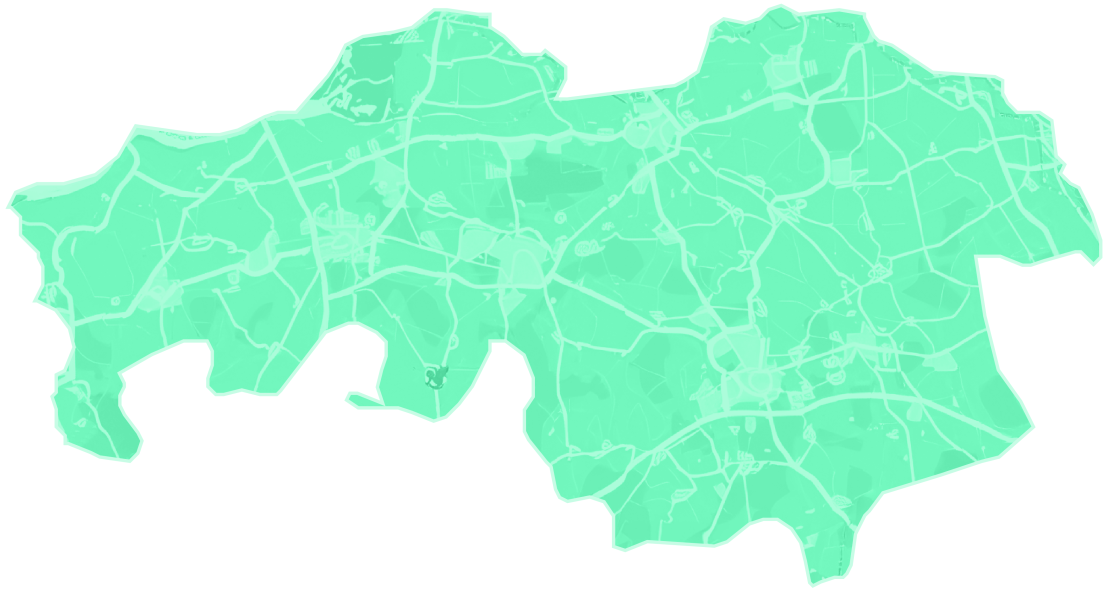
The Zuiderwaterlinie (southern water line) runs through five regions, each with their own atmosphere and story.
In the past, forts and fortified cities held the enemy at bay here. Now, you can enjoy imposing forts, charming towns and cities and the exceptional countryside.
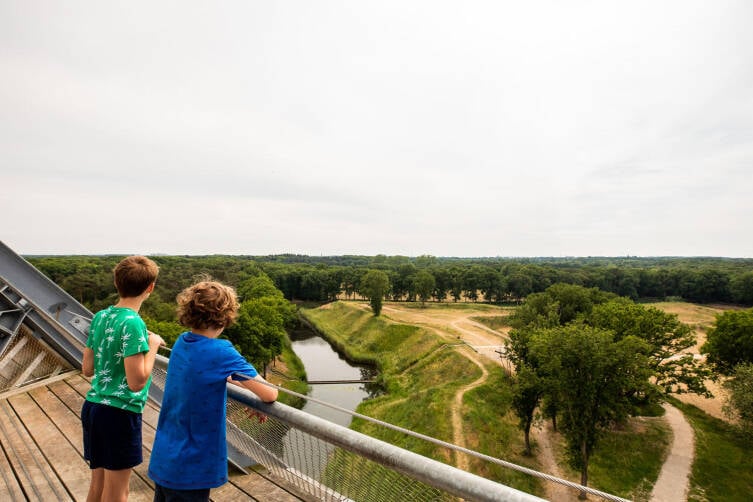
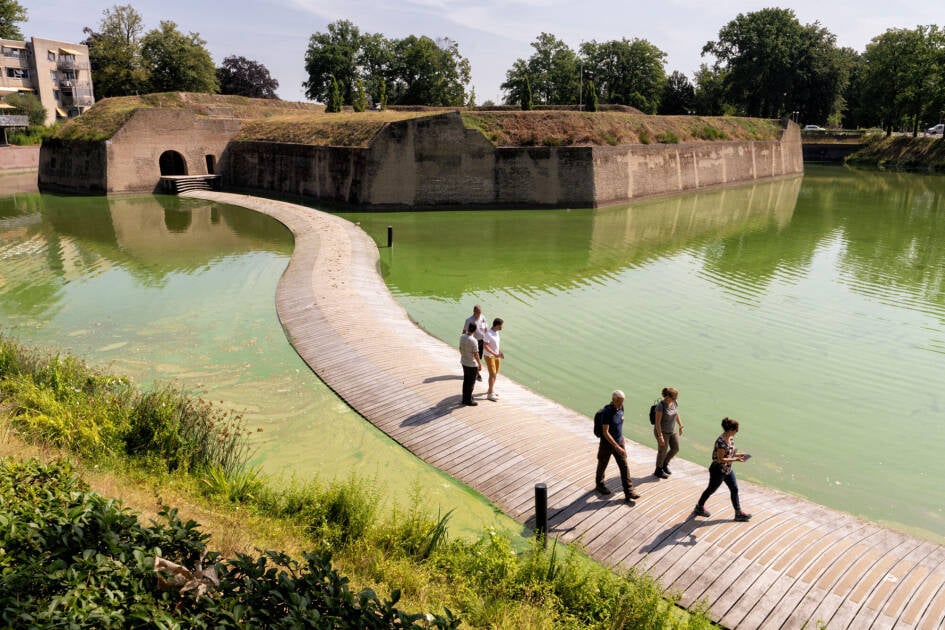
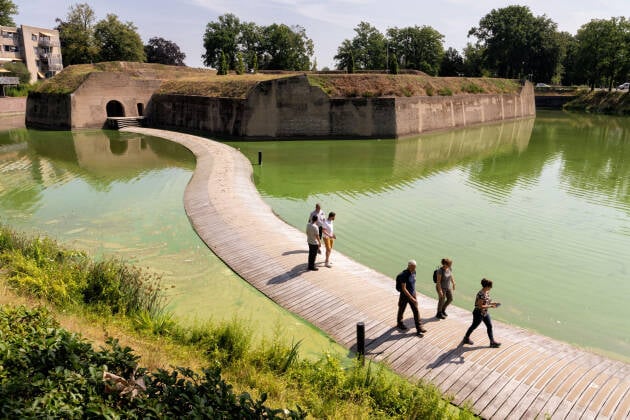
One of the largest forts on the West Brabant Water Line. Climb the Pompejustoren observation tower or walk across water without getting your feet wet on the Moses Bridge.
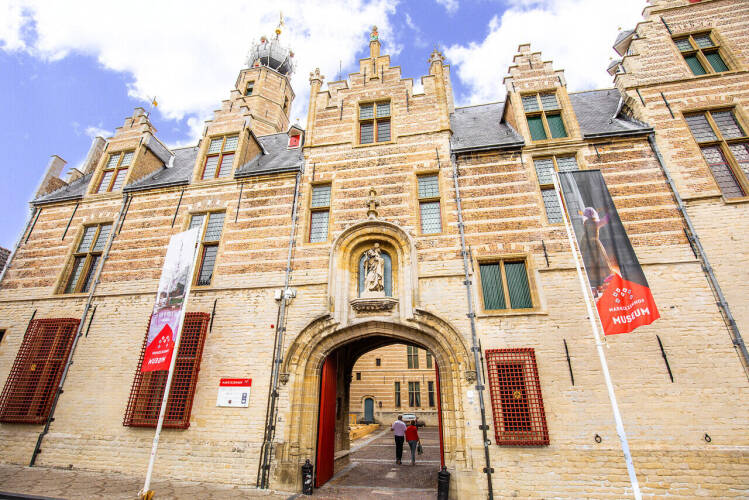
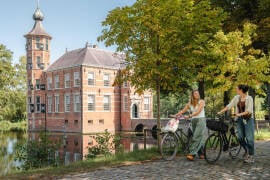
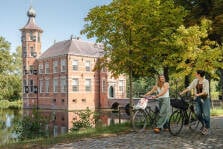
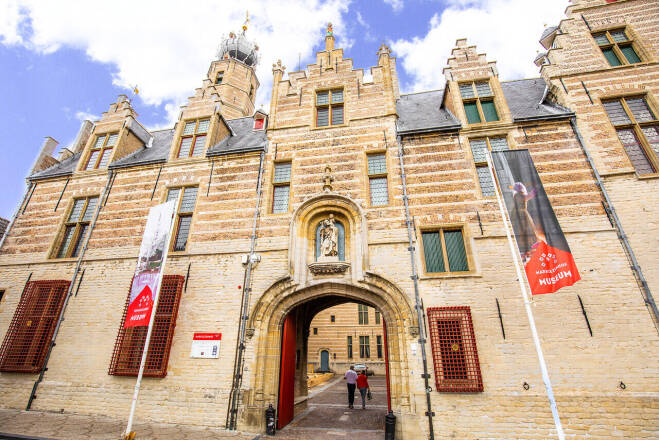
A beautiful city palace in Bergen op Zoom. Once inhabited by marquises, it later became a military hospital and barracks. Today, you can explore the rooms and discover the museum.
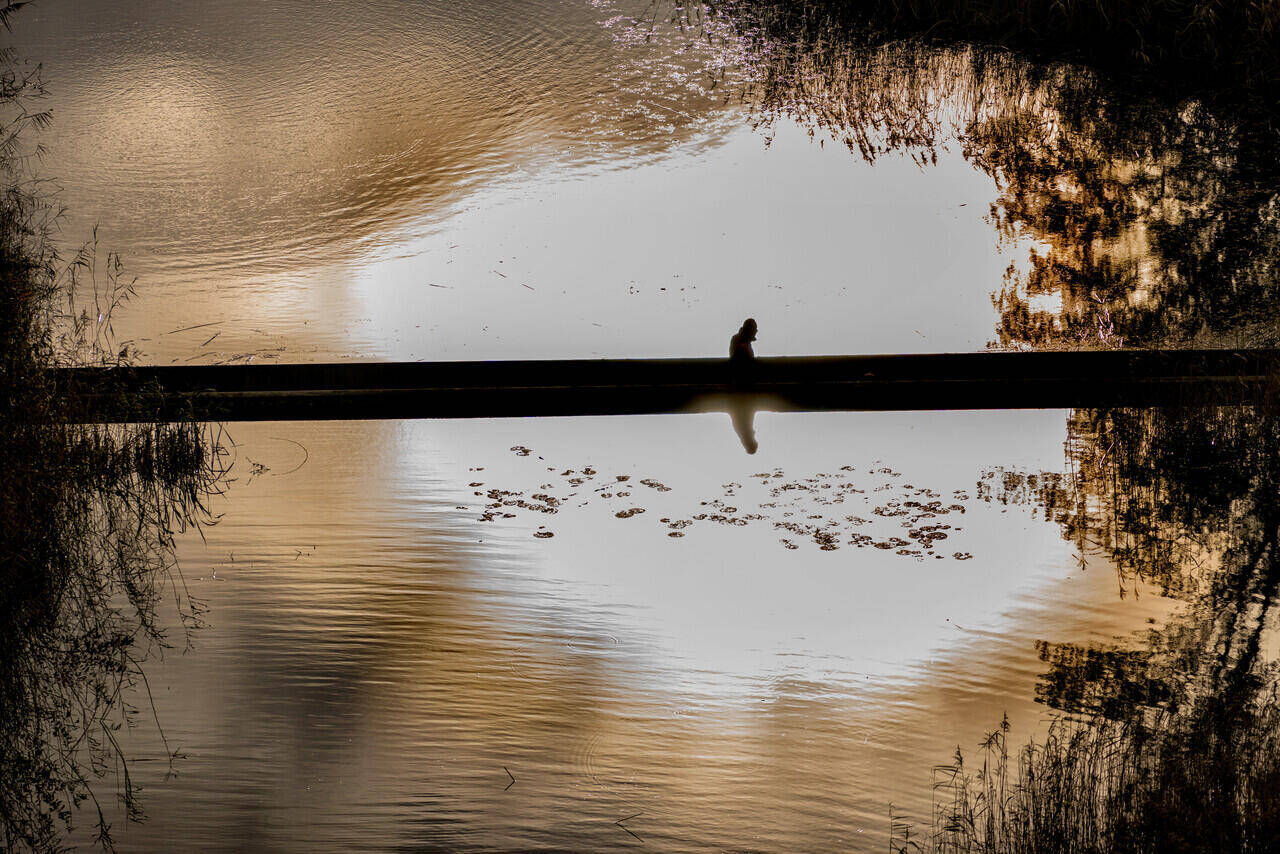
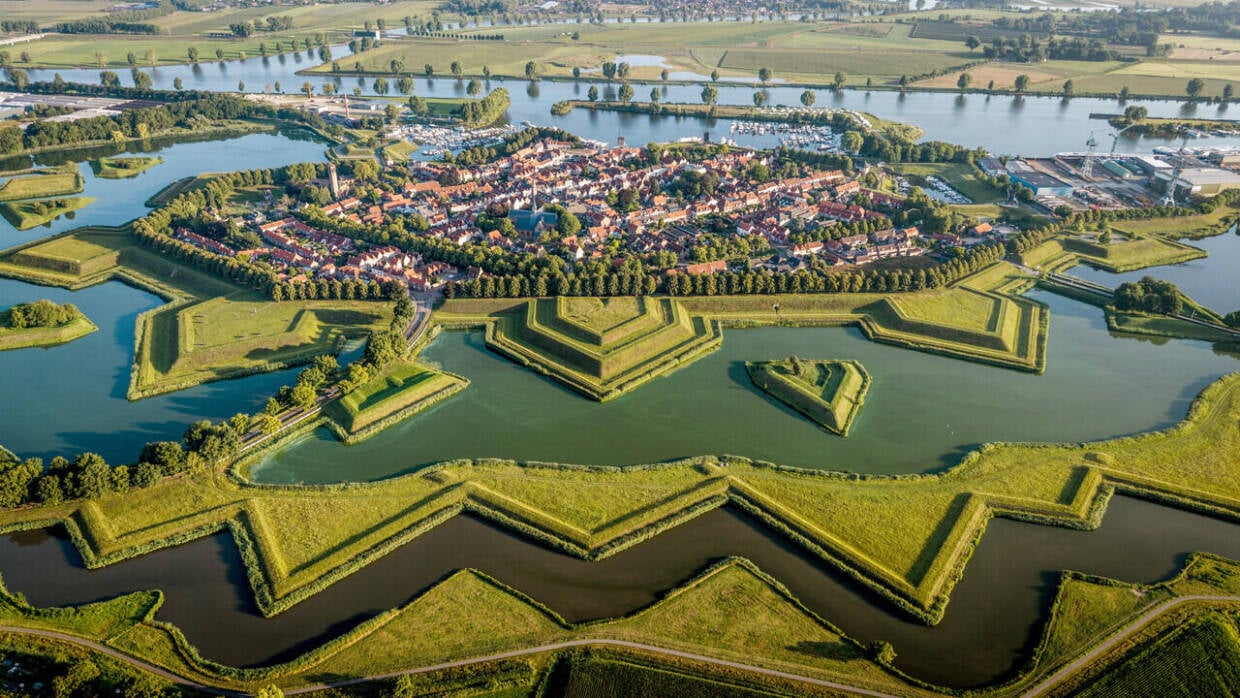
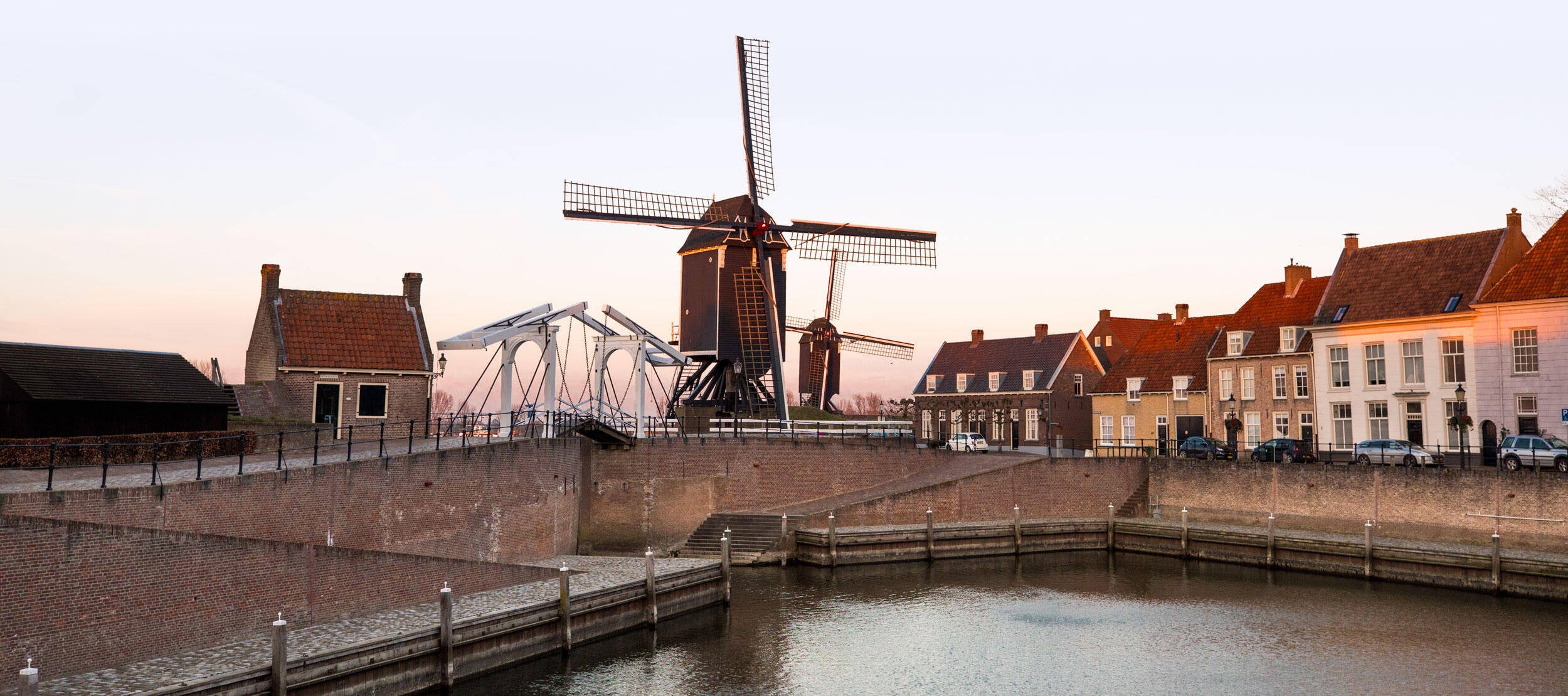
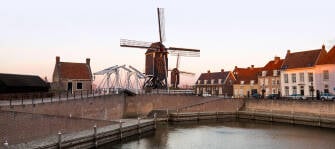
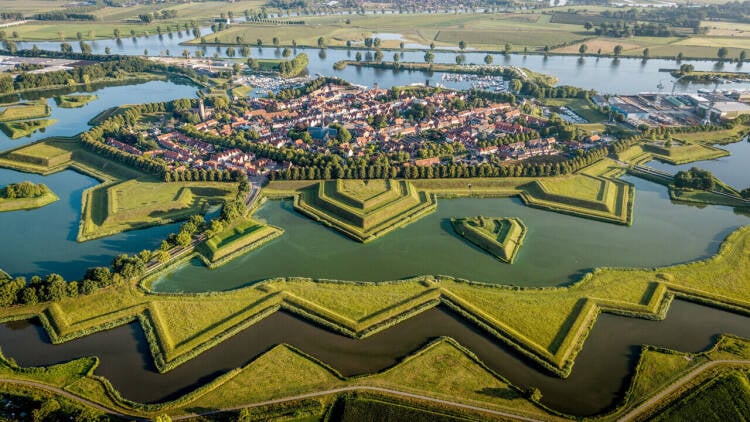
This is where it all began; the first water line in the Netherlands. With submerged land and clever water management, the inhabitants defended themselves against the Spanish, French and Belgians. Today, you can still see the traces of this past in Tholen, Bergen op Zoom and Steenbergen.
Brabant
Water line
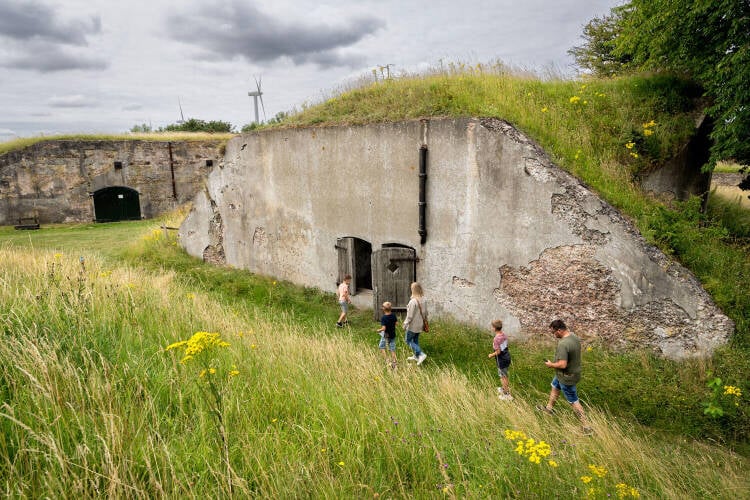
Built by Napoleon in 1811, the fort played a role in wars and was later used as an ammunition depot. Today, you can wander around and explore the fort.
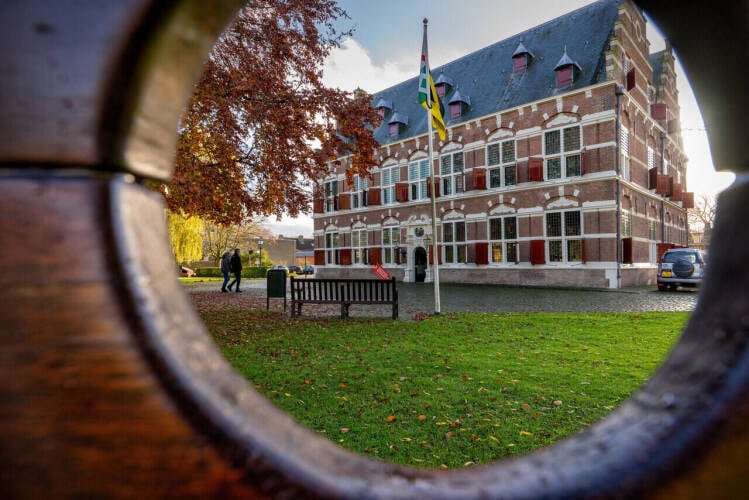
The Mauritshuis was built in 1623 as a country residence for Maurits, Prince of Orange. The building has had many functions, ranging from a military hospital to a carrier pigeon station. It continues to exude history to this day.
Fortifications
There are five forts that protected Holland for centuries in the area around Willemstad and Klundert. Fort Sabina is the highlight: large, mostly intact and offering stunning views.
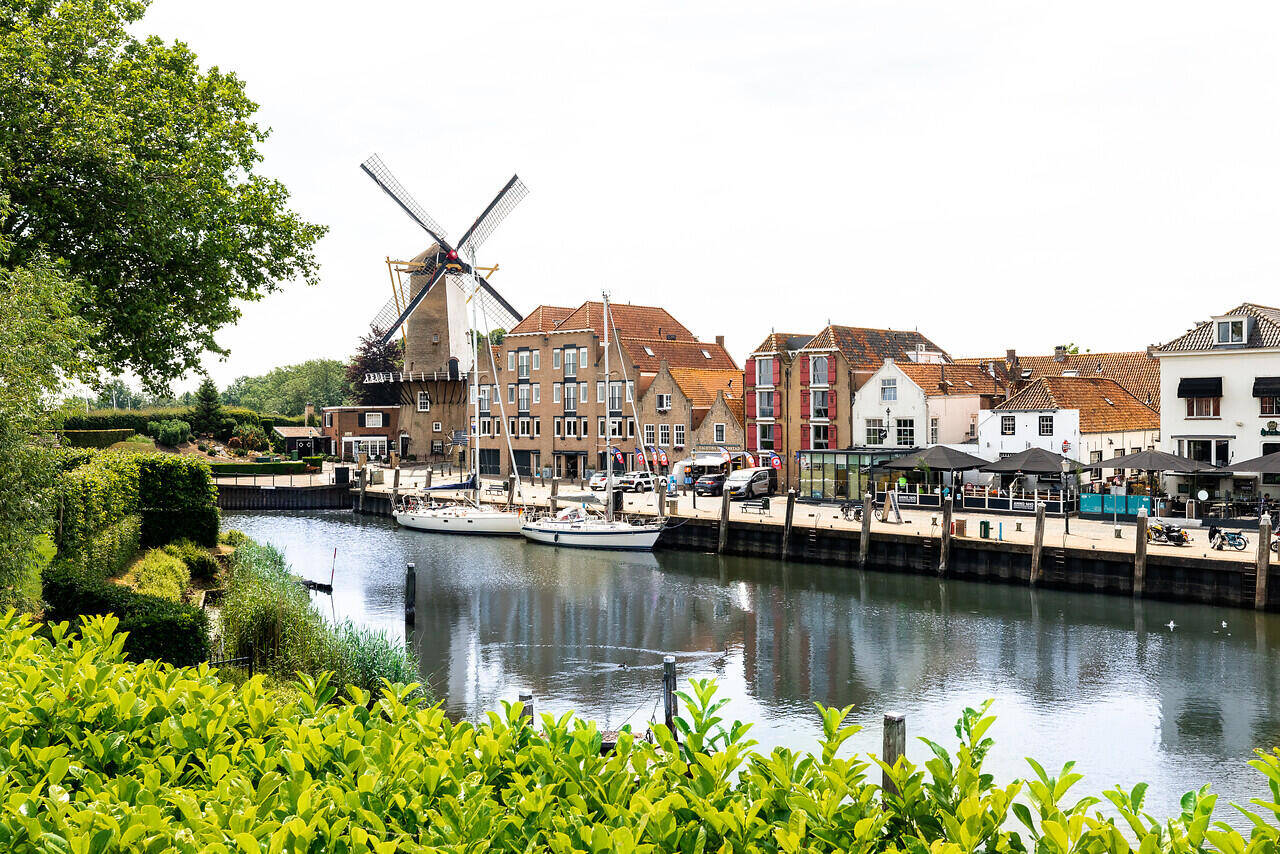

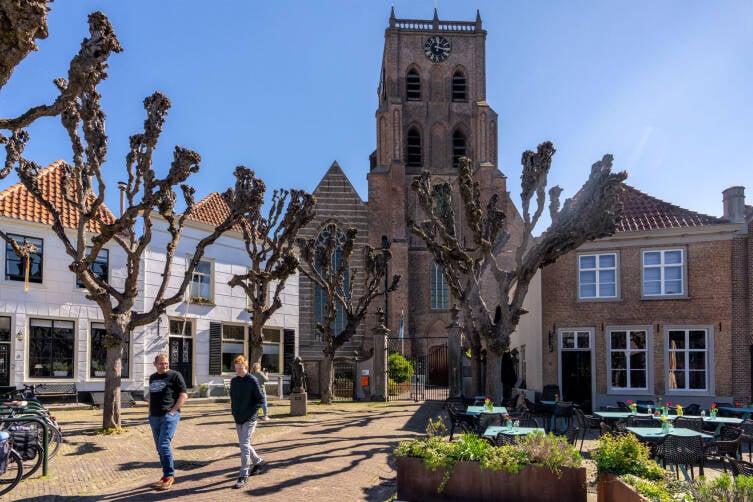
Geertruidenberg is known as the oldest city of Holland. Stroll along the canals and strongholds, explore the market or visit Museum de Roos, where you learn about the history of this fortified city.
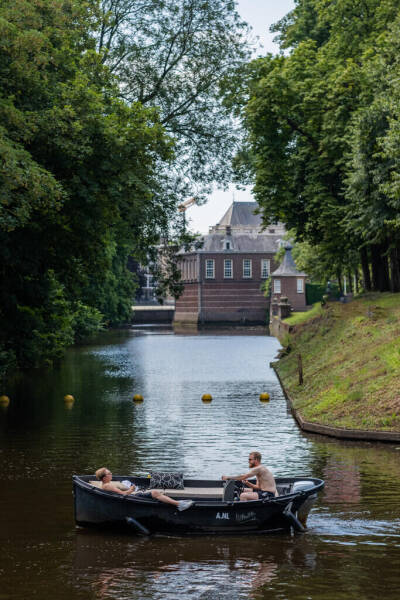
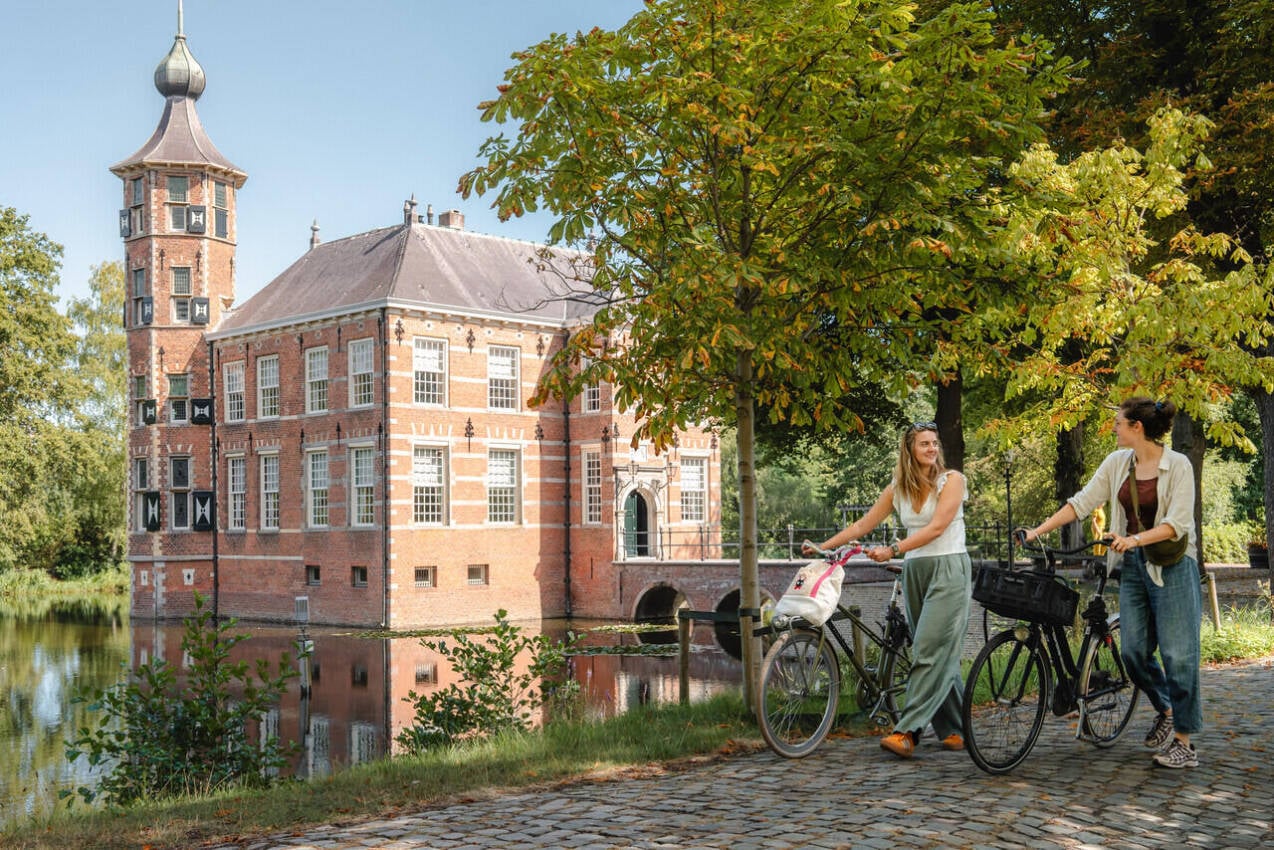
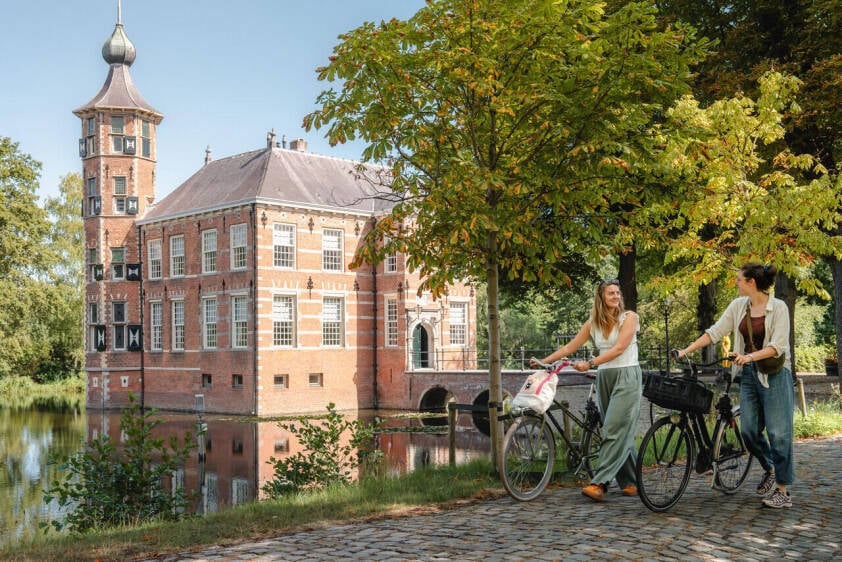
Breda Castle is in one of the oldest parts of the city. It is the former residence of the ancestors of the Dutch Royal family, the Nassaus.
Geertruidenberg
Fortifications
Breda and Geertruidenberg were important fortified cities. Extra redoubts and defensive lines were built here because the surrounding area was too high to flood.
-Heusden
Fortifications
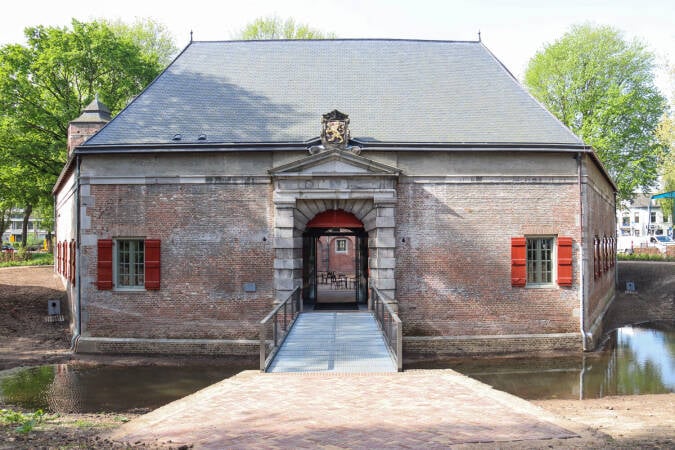
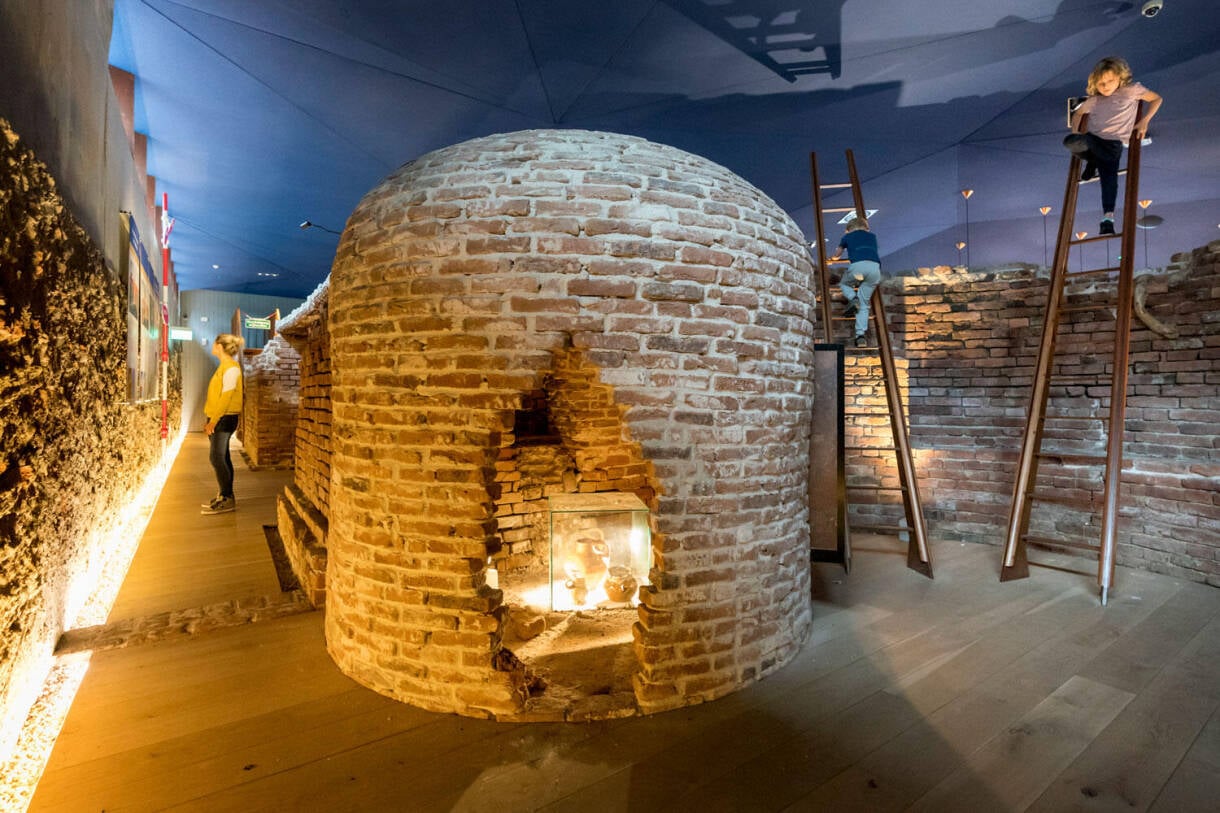
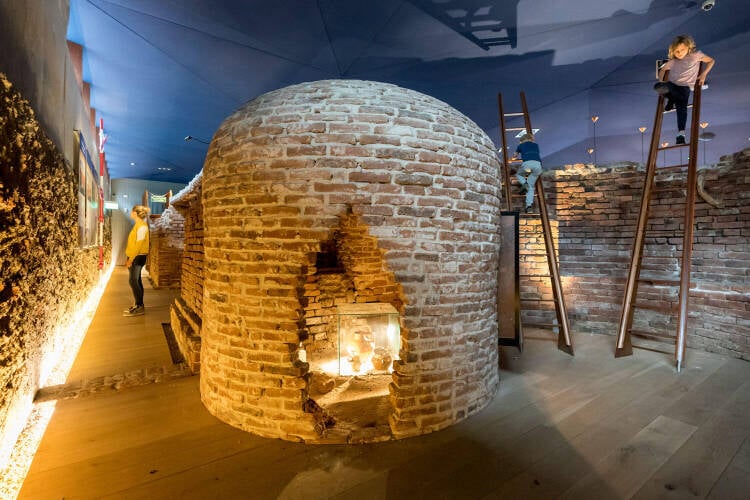
Once a gunpowder magazine, now a museum. At Museum Kruithuis, you can find out all about the Siege of 's-Hertogenbosch. Afterwards, enjoy lunch at Bolwerk Sint-Jan that was built in 1528 to defend the city gates.
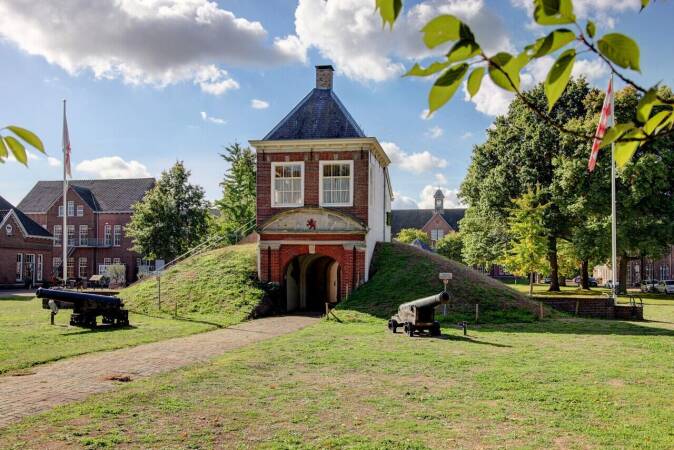
Fort Isabella was built in 1617 in Vught. It later became a military barracks and today, it serves as a creative meeting place. You can also visit Maurick Castle in Vught, built by the Lords of Vught.
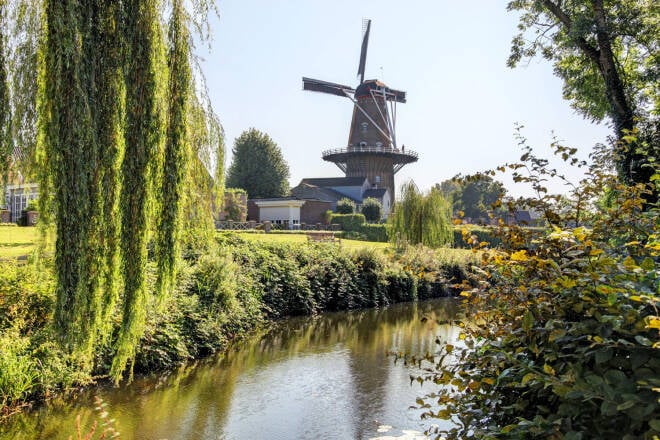
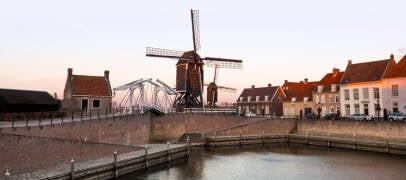
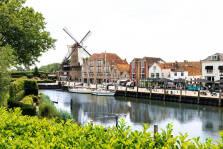
This mill stands on the former Utrecht bastion, a remnant of Ravenstein's old defensive works. The mill houses a bakery, lunchroom, and city brewery. It is also the tallest mill in North Brabant.
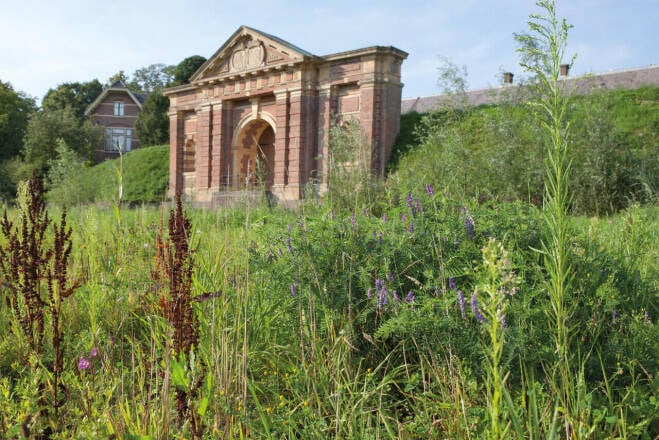
Grave was besieged many times but still stands proud today. Explore the beautiful historical inner city with its lovely city gate, De Hampoort. Also be sure to take a look in the very first Visitors Centre on the Zuiderwaterlinie (southern water line).
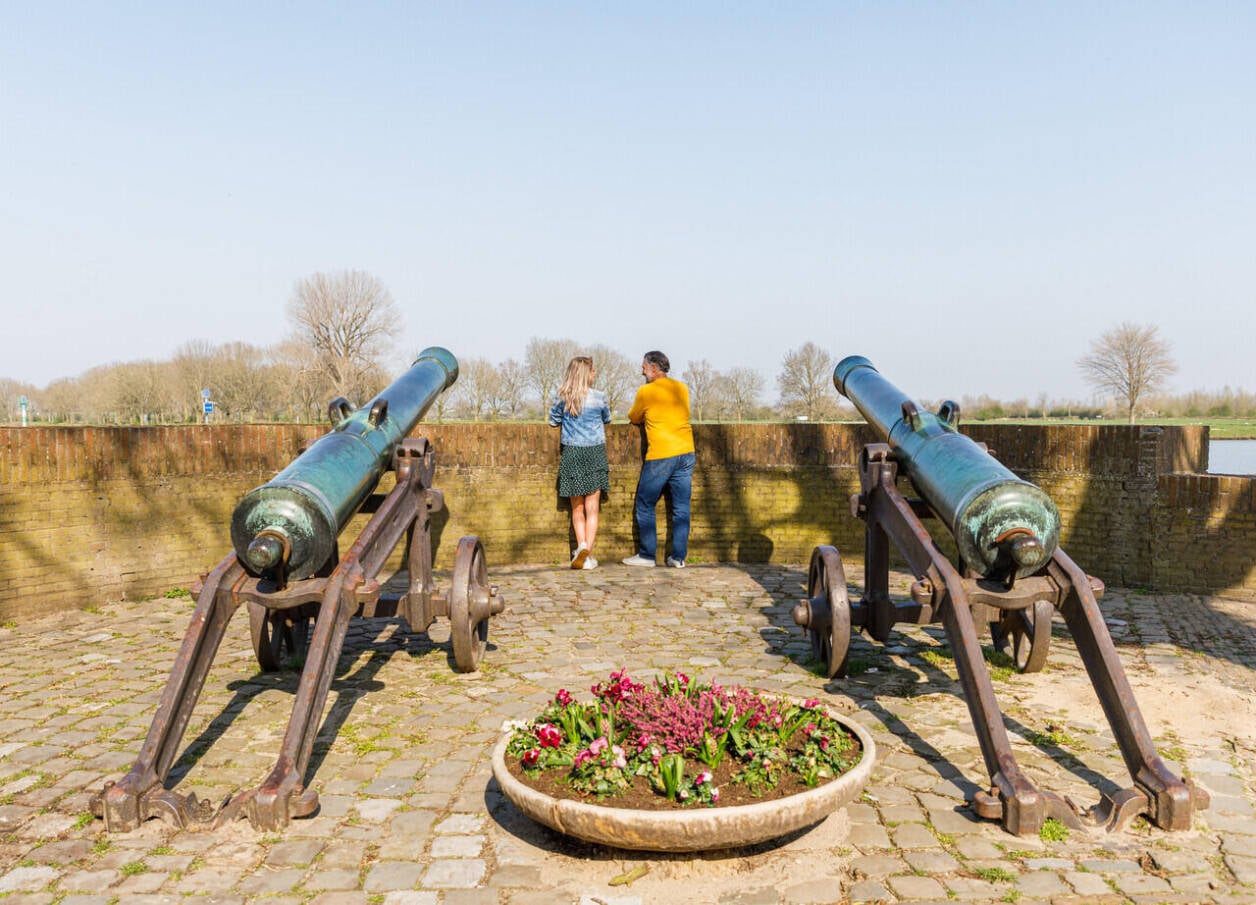
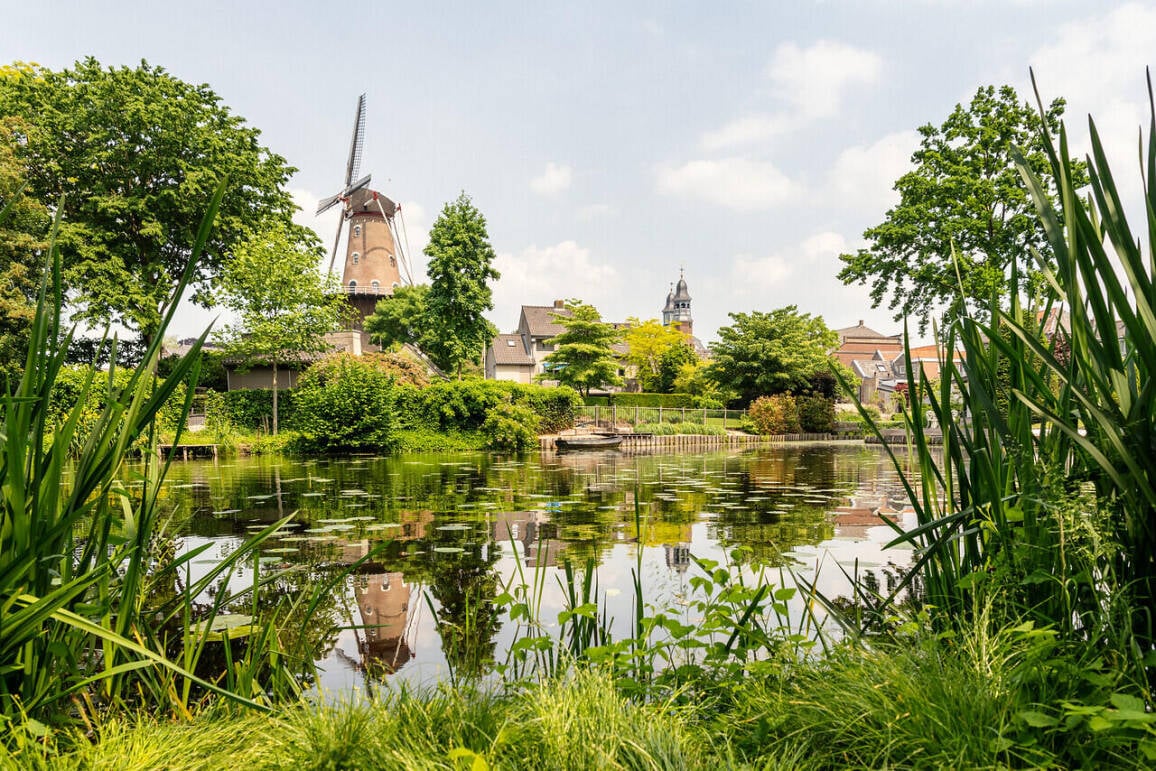
This region is home to the most besieged fortified city in the Netherlands and charming cities packed with heritage: Grave, Megen and Ravenstein.
Fortifications

The Zuiderwaterlinie (southern water line) Walking Route follows a 290-kilometre route from Grave to Bergen op Zoom and back. Of course, you can choose to walk a shorter section, go on a city walk or take one of the cycling routes.
The Zuiderwaterlinie
Steenbergen
Tholen
Geertruidenberg
Klundert
Ravenstein
Grave
Den Bosch
of historical fortified cities
The Zuiderwaterlinie (southern water line) runs through five regions, each with their own atmosphere and story.
In the past, forts and fortified cities held the enemy at bay here. Now, you can enjoy imposing forts, charming towns and cities and the exceptional countryside.
Willemstad
Bergen op Zoom
Megen
Breda
Heusden
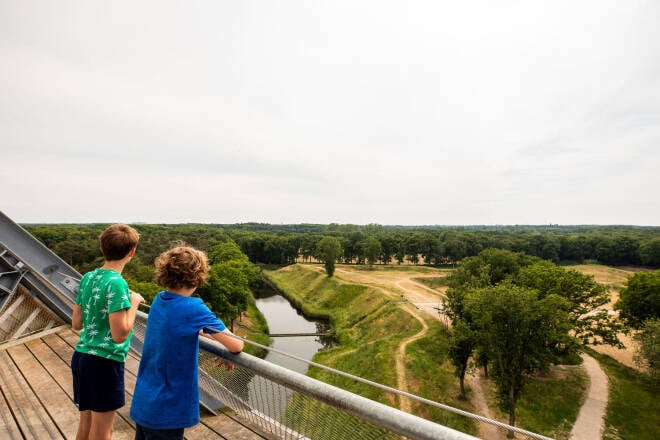
One of the largest forts on the West Brabant Water Line. Climb the Pompejustoren observation tower or walk across water without getting your feet wet on the Moses Bridge.
A beautiful city palace in Bergen op Zoom. Once inhabited by marquises, it later became a military hospital and barracks. Today, you can explore the rooms and discover the museum.
This is where it all began; the first water line in the Netherlands. With submerged land and clever water management, the inhabitants defended themselves against the Spanish, French and Belgians. Today, you can still see the traces of this past in Tholen, Bergen op Zoom and Steenbergen.
Brabant
Water line
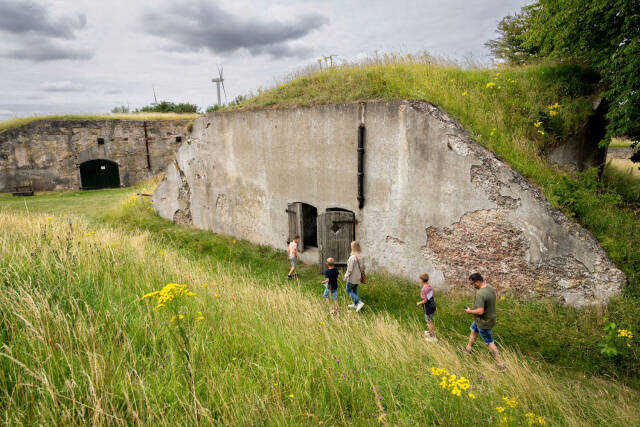
Built by Napoleon in 1811, the fort played a role in wars and was later used as an ammunition depot. Today, you can wander around and explore the fort.
Fortifications
There are five forts that protected Holland for centuries in the area around Willemstad and Klundert. Fort Sabina is the highlight: large, mostly intact and offering stunning views.
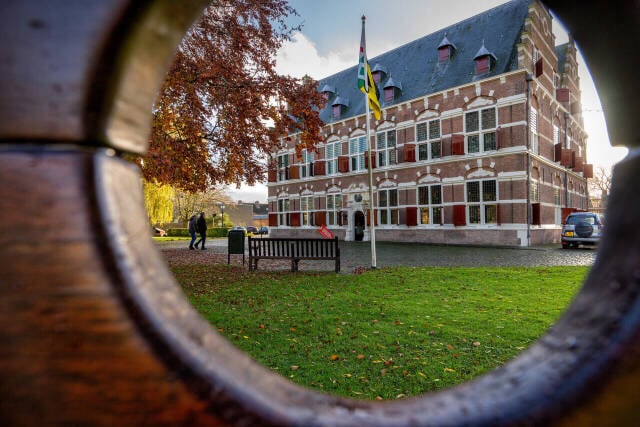
The Mauritshuis was built in 1623 as a country residence for Maurits, Prince of Orange. The building has had many functions, ranging from a military hospital to a carrier pigeon station. It continues to exude history to this day.
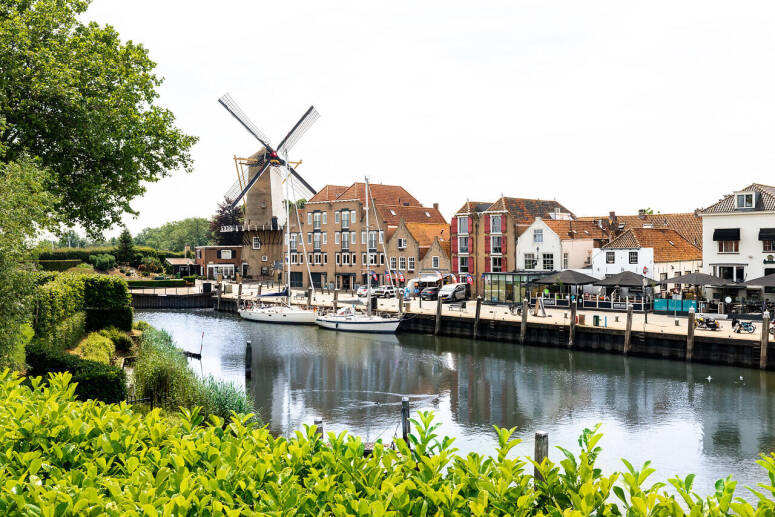
Geertruidenberg
Fortifications
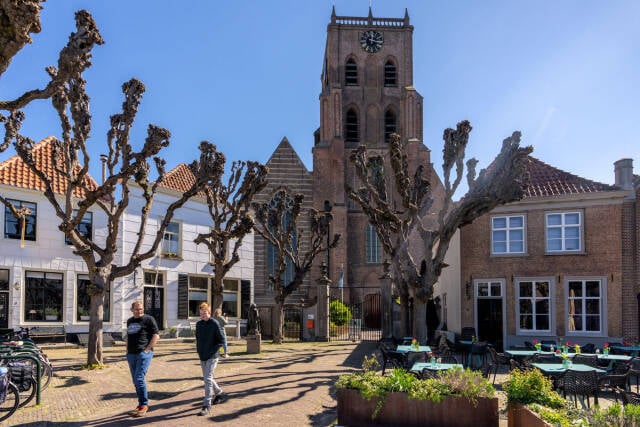
Geertruidenberg is known as the oldest city of Holland. Stroll along the canals and strongholds, explore the market or visit Museum de Roos, where you learn about the history of this fortified city.
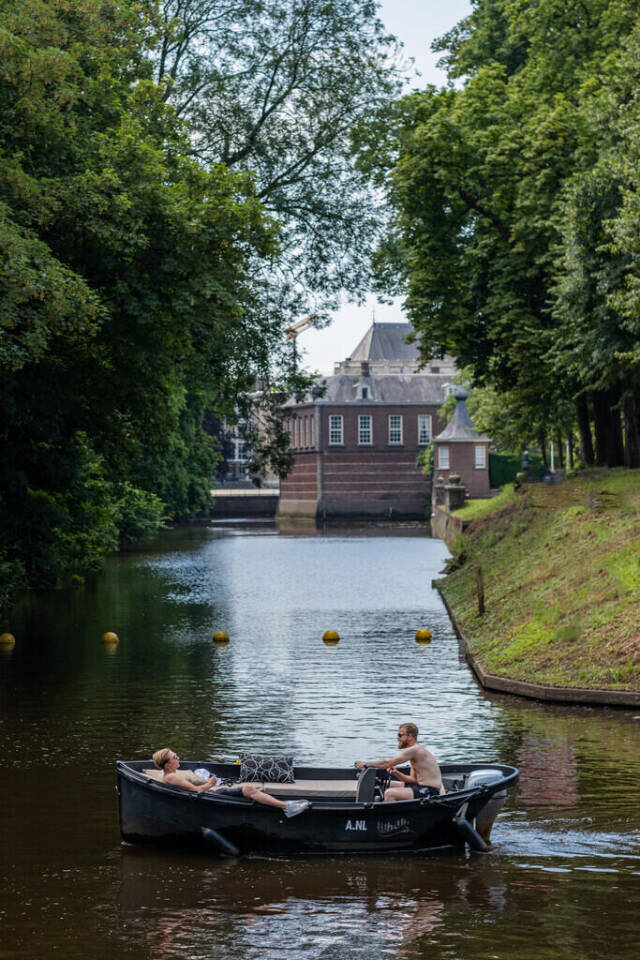
Breda Castle is in one of the oldest parts of the city. It is the former residence of the ancestors of the Dutch Royal family, the Nassaus.
Breda and Geertruidenberg were important fortified cities. Extra redoubts and defensive lines were built here because the surrounding area was too high to flood.
-Heusden
Fortifications
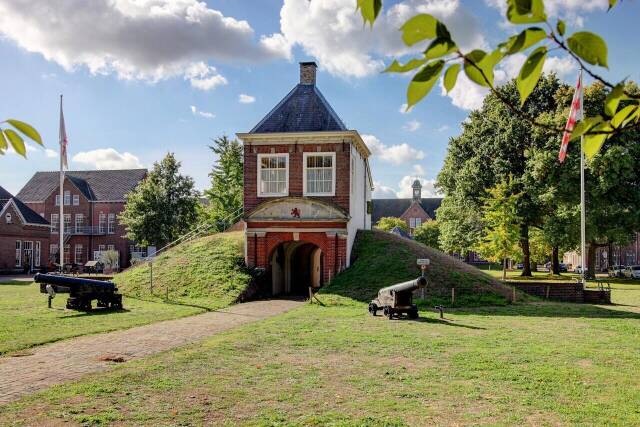
Fort Isabella was built in 1617 in Vught. It later became a military barracks and today, it serves as a creative meeting place. You can also visit Maurick Castle in Vught, built by the Lords of Vught.
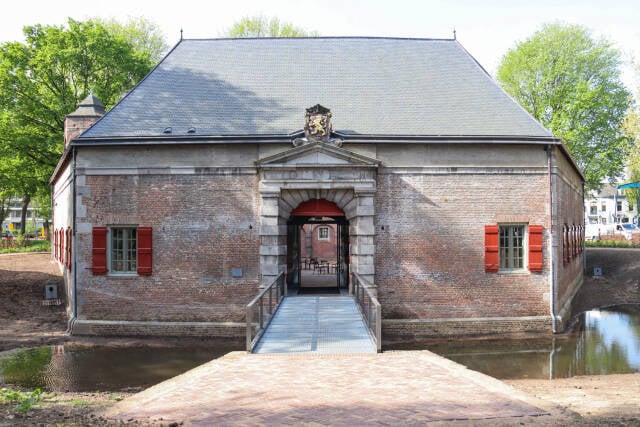
Once a gunpowder magazine, now a museum. At Museum Kruithuis, you can find out all about the Siege of 's-Hertogenbosch. Afterwards, enjoy lunch at Bolwerk Sint-Jan that was built in 1528 to defend the city gates.
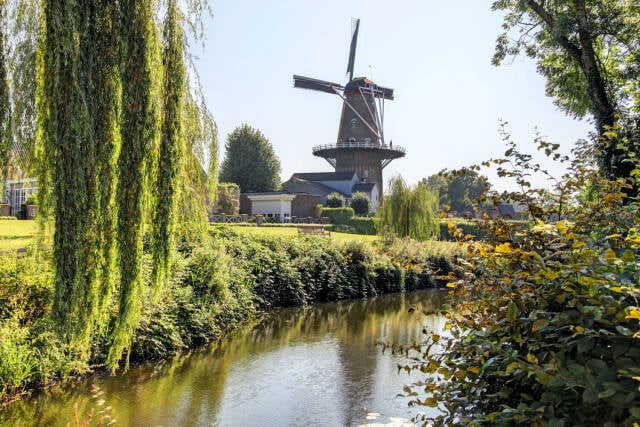
This mill stands on the former Utrecht bastion, a remnant of Ravenstein's old defensive works. The mill houses a bakery, lunchroom, and city brewery. It is also the tallest mill in North Brabant.
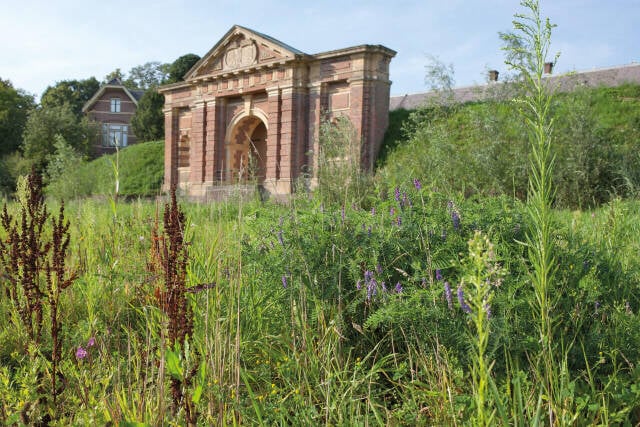
Grave was besieged many times but still stands proud today. Explore the beautiful historical inner city with its lovely city gate, De Hampoort. Also be sure to take a look in the very first Visitors Centre on the Zuiderwaterlinie (southern water line).
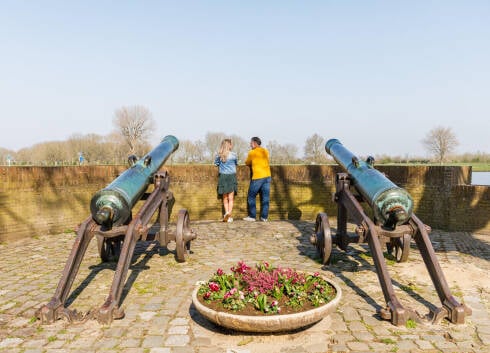
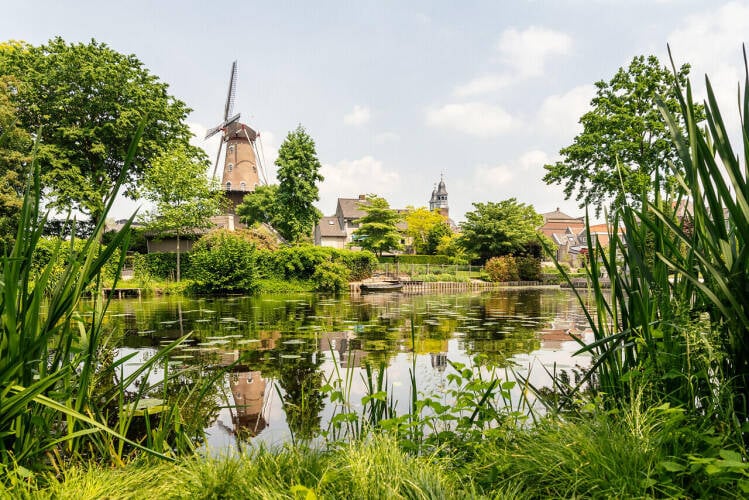
This region is home to the most besieged fortified city in the Netherlands and charming cities packed with heritage: Grave, Megen and Ravenstein.
Fortifications
The Zuiderwaterlinie (southern water line) Walking Route follows a 290-kilometre route from Grave to Bergen op Zoom and back. Of course, you can choose to walk a shorter section, go on a city walk or take one of the cycling routes.